If you are risking serious capital, gut instinct is not a strategy.Whether you are a private equity partner in London, an angel investor in Manchester, or running a family office in Birmingham, the right due diligence tools for investors can be the difference between a 3x exit and a write-off.
We reviewed dozens of platforms used across the UK investment market and shortlisted the 20 best due diligence tools for investors in 2026. This guide is built for:
Private equity firms
Venture capital funds
Angel investors
Corporate finance advisers
M&A teams
Family offices
According to the British Private Equity & Venture Capital Association, UK private equity and venture capital investment exceeded £20 billion in recent annual reporting. At the same time, Beauhurst data shows early-stage company failures remain high within the first five years. The message is clear. Strong due diligence is not optional in the UK market.
What Is Portfolio Rebalancing?
Portfolio rebalancing is the structured process of realigning the asset allocation within your investment portfolio to maintain your intended risk and return profile. As markets move, certain assets outperform while others lag.
Why it matters:
Keeps your investments aligned with your long-term financial objectives and risk tolerance
Introduces discipline into the investment process by reducing emotionally driven decisions, particularly during periods of market volatility
Systematically trims overweight positions and reinforces underweight allocations to maintain strategic balance
Helps reduce overall portfolio volatility over time
Supports more consistent return patterns across market cycles
Quick Comparison Of Due Diligence Tools for Investors in the UK
When choosing due diligence tools for investors in the UK, decision factors usually include:
Access to UK company data
Financial reporting depth
Risk analysis capability
Legal and compliance coverage
Integration with deal management tools
Pricing model
Suitability for PE, VC, or angels
Below is a quick comparison of the top 20 due diligence tools for investors.
Tool
Best For
Starting Price
Free Trial
Key Feature
Rating
DealRoom
M&A workflow
Custom
Demo
Virtual data room
4.8
Ansarada
Secure transactions
Custom
Demo
AI risk flags
4.7
Datasite
Large deals
Custom
Demo
Advanced VDR
4.7
Intralinks
Enterprise M&A
Custom
Demo
Bank-grade security
4.6
PitchBook
Market research
High tier
No
Private market data
4.6
Crunchbase
Startup tracking
Low tier
Yes
Funding database
4.5
Beauhurst
UK company data
Mid tier
Demo
UK-focused insights
4.7
Companies House
UK filings
Free
N/A
Statutory filings
N/A
Creditsafe
Credit checks
Mid tier
Trial
UK credit scores
4.5
Experian Business
Risk scoring
Custom
Trial
Business credit
4.4
Refinitiv
Financial data
High tier
No
Global markets
4.6
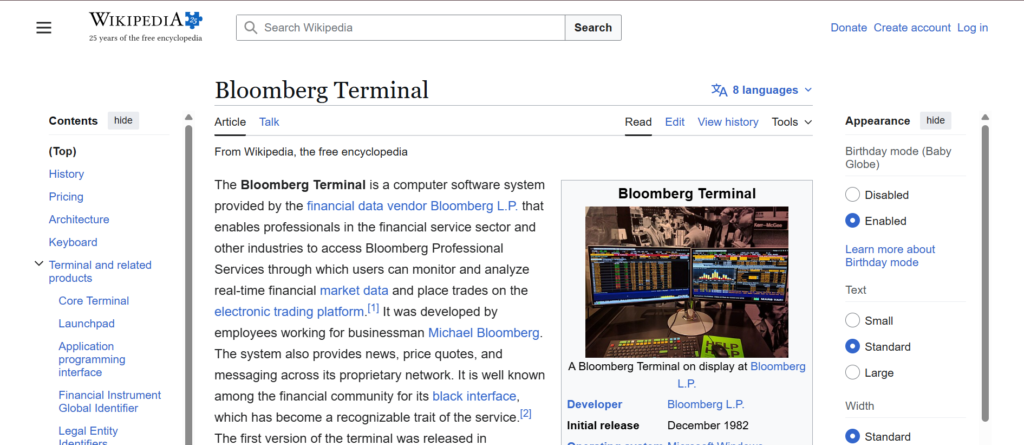
Bloomberg Terminal
Institutional investors
High tier
No
Market analytics
4.7
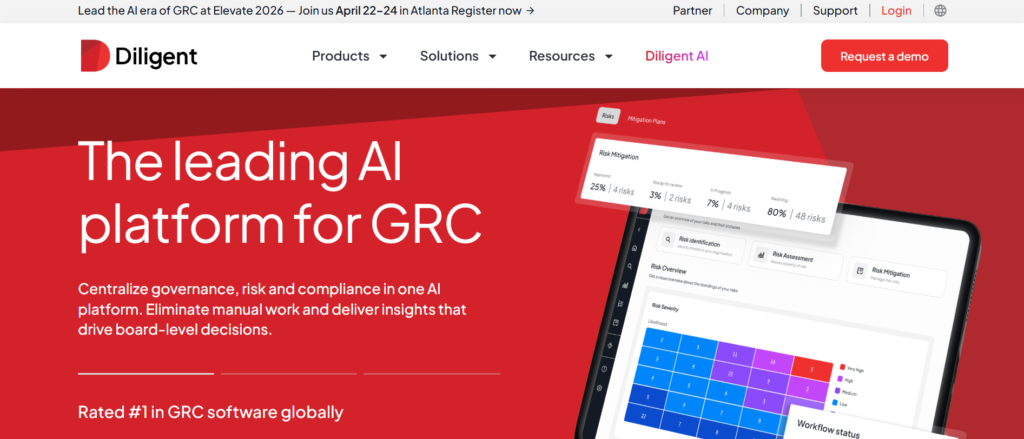
Diligent
Governance
Custom
Demo
Board compliance
4.6
iDeals
Data room
Custom
Demo
Secure sharing
4.7
Kira Systems
Contract review
Custom
Demo
AI document review
4.5
Onfido
ID verification
Usage based
Demo
KYC checks
4.4
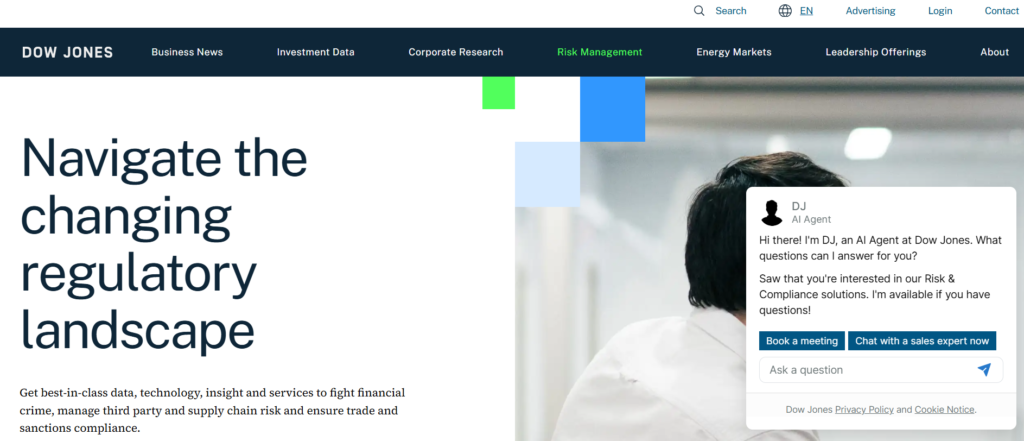
Dow Jones Risk
Compliance
Custom
No
Sanctions screening
4.6
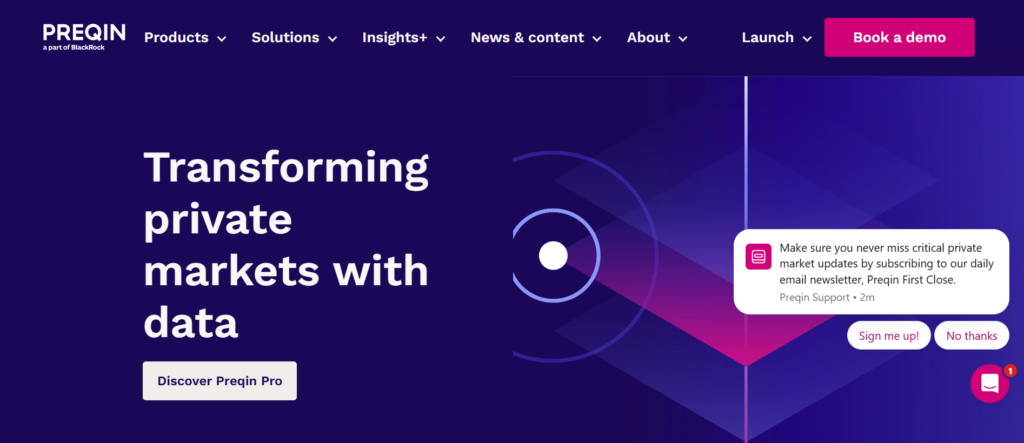
Preqin
PE research
High tier
No
Fund analytics
4.5
S&P Capital IQ
Financial analysis
High tier
No
Valuation tools
4.7
Orbis
Corporate ownership
Custom
Demo
Global structures
4.6
Best 20 Due Diligence Tools for Investors
Each tool below is broken down by key features and who it’s best suited for.
DealRoom – M&A Due Diligence Built for Deal Velocity
DealRoom is a purpose-built M&A platform designed to centralise every moving part of your transaction. Used by private equity firms, corporate development teams and advisers across the UK, it combines a virtual data room, project management and post-merger integration in one system.If you are serious about tightening your due diligence process in the UK, any proper DealRoom review will show one thing clearly. It is built to reduce deal friction and increase execution discipline.
Key Features
Centralised Due Diligence Workflow
DealRoom structures your entire due diligence checklist inside the platform. Financial due diligence, legal due diligence and commercial due diligence tasks are tracked in one dashboard. This removes the usual chaos of spreadsheets and email threads.
Built-In Virtual Data Room
Unlike traditional VDR providers, DealRoom combines secure document sharing with process management. You can manage Q&A, control permissions and monitor document engagement. Compared in a DealRoom vs Intralinks scenario, many mid-market UK firms prefer the cleaner interface and structured indexing.
Post-Merger Integration Planning
Most due diligence tools for investors stop at deal close. DealRoom carries the process forward into integration. You can convert diligence tasks into integration milestones. For UK private equity firms planning bolt-on acquisitions, this continuity reduces operational risk immediately after completion.
Real-Time Reporting and Analytics
The platform provides live dashboards showing task completion, outstanding requests and document activity. For investment committees in London or Edinburgh requiring weekly reporting, this visibility tightens governance. Any detailed DealRoom review typically mentions reporting as a key advantage.
Customisable Diligence Templates
DealRoom allows you to create repeatable diligence frameworks for different deal types. Whether you are acquiring a SaaS business or a manufacturing company in the Midlands, templates ensure consistency across transactions. This is critical for firms running multiple deals per quarter.
Pros & Cons
DealRoom pricing is custom and typically based on deal size, number of users and storage requirements.
You will not find transparent public pricing on their site. Expect a tailored quote after a demo. When comparing DealRoom pricing with Datasite or iDeals, mid-market firms often find it competitive given the workflow functionality included.
Best For UK Private Equity Teams Managing Multiple Live Deals
DealRoom is particularly strong for UK-based private equity and corporate development teams juggling several transactions at once.
Mid-market PE firms in London — Need structured multi-deal oversight
Corporate M&A teams — Require audit-ready reporting
Investment managers — Want integration planning built in
Buy-and-build strategies — Need repeatable acquisition frameworks
If you are running a buy-and-build model across the UK, DealRoom keeps your due diligence process tight and standardised.
Verdict: If your firm is managing more than two live transactions per quarter, DealRoom quickly justifies its cost through reduced execution risk.
How to Use DealRoom for UK Buy-and-Build Strategies
Create a master diligence template covering:
Financial statement review
Tax exposure analysis
Regulatory compliance checks
Customer concentration risk
Supplier contract review
Clone this template for each acquisition. This builds internal consistency and shortens onboarding time for new analysts.
Best Alternate ToolAnsarad – strong alternative worth reviewing in your DealRoom alternatives shortlist.
Ansarada – AI-Driven Virtual Data Room for High-Stakes Transactions
Ansarada is a virtual data room platform built specifically for complex M&A, IPOs and capital raises. Widely used by advisory firms, law practices and investment banks operating in the UK, it positions itself as more than just a file-sharing tool.In most Ansarada review discussions, one theme comes up repeatedly. It focuses heavily on risk identification during due diligence.If you are comparing Ansarada vs DealRoom or Ansarada vs Datasite, the main distinction lies in its AI-powered risk insights layered on top of a secure VDR environment.
Key Features
AI Risk Intelligence
Ansarada uses machine learning to flag missing documents, unusual activity and potential compliance gaps. During financial due diligence or legal due diligence, the platform highlights incomplete disclosure areas. In many Ansarada review breakdowns, users mention that risk alerts reduce blind spots in large UK transactions.
Advanced Q&A Management
The Q&A module is structured and permission-controlled. Questions can be categorised, assigned and tracked with full audit trails. Compared in an Ansarada vs iDeals discussion, many advisers note stronger control over sensitive legal queries.
Granular Permission Controls
For private equity firms in London or Manchester running competitive sale processes, strict document access control is critical. Ansarada allows user-level and document-level permissions, watermarking and activity tracking. This protects confidential data throughout UK due diligence cycles.
Deal Readiness Scoring
One distinctive element often mentioned in Ansarada review commentary is its Deal Readiness Score. This measures how complete and transaction-ready your data room is. For founders raising Series A funding in the UK, this provides a structured preparation benchmark.
Bank-Grade Security
Security certifications and encryption protocols meet institutional standards. In Ansarada vs Datasite comparisons, both score highly on security, but Ansarada is often favoured for its risk management overlay rather than just storage strength.
Pros & Cons
Pros
Cons
Strong AI risk flags
Custom pricing only
Excellent Q&A structure
May be overkill for small deals
Institutional security
Learning curve for founders
Clear audit trails
Premium positioning
Pricing
Ansarada pricing is customised based on:
Deal size
Data storage
Number of users
Duration of transaction
There is no public price list. In most Ansarada pricing comparisons, it sits in the mid-to-premium bracket for virtual data room providers in the UK.
Ideal for Investment Banks and Regulated UK Transactions
Ansarada is particularly suited for:
Investment banks — Require structured, high-volume Q&A control
Law firms — Need document tracking with audit trails
PE firms — Want risk flags during diligence
Regulated sectors — Require compliance monitoring
Verdict: If your transaction involves multiple bidders, legal scrutiny and regulatory sensitivity, Ansarada justifies its premium position.
How to Use Ansarada for UK Fundraising Preparation
Before opening your data room to investors:
Upload full financial statements for three years
Add shareholder agreements and cap table
Include IP documentation
Load key commercial contracts
Run Deal Readiness scoring
This forces structured preparation before investor scrutiny begins.Compared with many Ansarada alternatives, few platforms offer this readiness framework.
Best Alternate Tool
If you want deeper workflow integration alongside the data room rather than AI risk scoring, DealRoom – often shortlisted in Ansarada vs DealRoom comparisons.
Datasite – Enterprise-Grade Virtual Data Room for Complex UK Deals
Datasite is one of the most established virtual data room providers in the global M&A market. Frequently used by investment banks, large private equity firms and corporate advisers operating in the UK, it is designed for high-value, multi-party transactions.In most Datasite review discussions, users emphasise its stability, security and ability to manage large-scale cross-border deals.If you are comparing Datasite vs Ansarada or Datasite vs Intralinks, the conversation usually centres around enterprise capability and deal volume rather than price.
Key Features
Advanced Virtual Data Room Infrastructure
Datasite provides structured indexing, bulk upload tools, advanced search and granular permissions. For UK private equity firms handling thousands of documents during financial due diligence, this reduces administrative drag. Many Datasite review analyses highlight its ability to handle high document volumes without performance issues.
AI-Powered Redaction and Document Tools
Sensitive information can be automatically redacted across large document sets. In regulated UK sectors such as fintech or healthcare, this saves hours during legal due diligence. Compared in a Datasite vs Intralinks evaluation, AI redaction is often cited as a differentiator.
Real-Time Activity Tracking
You can track bidder engagement at document level. Which documents are being opened? How long are they being viewed? This intelligence is useful during competitive sale processes across London and other UK financial hubs.
Global Deal Support
Datasite supports multi-language access and cross-border transactions. For UK investors acquiring assets in Europe or North America, this becomes essential. Many Datasite review summaries point to strong international capability.
Structured Q&A Management
The Q&A module supports categorisation, role-based permissions and full audit logs. When comparing Datasite alternatives, its Q&A system remains one of the most trusted among large advisory firms.
Pros & Cons
Pros
Cons
Enterprise-level security
Premium pricing
Handles large data volumes
May exceed SME needs
AI redaction tools
Less workflow-focused than DealRoom
Strong global support
Custom pricing model
Pricing
Datasite pricing is not publicly listed. Costs depend on:
Storage requirements
Duration of transaction
Number of users
Deal complexity
In most Datasite pricing comparisons, it is positioned at the premium end of the virtual data room market.If you are reviewing Datasite alternatives for smaller UK transactions, cost may be a deciding factor.
Best For Large UK Private Equity and Investment Banks
Datasite is particularly suitable for:
Investment banks — Need bidder engagement tracking
Large PE funds — Require scalable infrastructure
Cross-border acquirers — Need multilingual support
Regulated industries — Require document control at scale
Verdict: If you operate in the upper tier of UK dealmaking, Datasite provides the stability and depth expected by institutional investors.
How to Use Datasite for Competitive UK Sale Processes
Structure your data room with:
Corporate documents
Financial statements
Commercial contracts
Tax and compliance files
HR and employment records
Use engagement analytics to identify serious bidders. If one bidder repeatedly accesses revenue breakdown files, that signals strong interest.Compared with many Datasite alternatives, its bidder tracking remains a strong strategic tool.
Best Alternate Tool
If you prefer AI-driven risk identification over enterprise scale, Ansarada is often considered in Datasite vs Ansarada evaluations.
Intralinks – Bank-Grade Virtual Data Room for Institutional Investors
Intralinks is one of the oldest and most recognised names in the virtual data room market. Widely used by global investment banks and large private equity houses operating in the UK, it is known for security, compliance and large-scale transaction capability.In many Intralinks review discussions, institutional investors reference its long-standing presence in high-value M&A deals.If you are comparing Intralinks vs Datasite or Intralinks vs Ansarada, the decision often comes down to legacy reputation versus newer AI-driven functionality.
Key Features
Enterprise-Grade Security Architecture
Intralinks is known for its stringent encryption protocols and compliance certifications. UK private equity firms handling sensitive financial due diligence documentation often prioritise this level of protection. In most Intralinks review summaries, security credentials are a primary selling point.
Structured Deal Workflow
While not as workflow-centric as DealRoom, Intralinks provides structured document indexing, permission control and transaction management features. For UK M&A advisers managing multiple bidders, this reduces document chaos.
Advanced Reporting and Audit Trails
Every action inside the data room is logged. For regulated UK transactions, audit trails provide defensible evidence of information sharing and access. Compared in Intralinks vs Datasite discussions, both platforms score highly on transparency and compliance.
Global Transaction Support
Intralinks supports cross-border transactions with multilingual functionality. For UK investors acquiring European or US-based targets, this becomes essential. Many Intralinks review reports highlight its global footprint.
Secure Q&A and Collaboration
The Q&A module supports structured communication between buyers and sellers. This is particularly valuable during legal due diligence when sensitive disclosures must be tightly controlled.
Pros & Cons
Pros
Cons
Long-standing reputation
Premium pricing
Strong compliance controls
Interface less modern
Excellent audit trails
May exceed SME needs
Widely recognised by banks
Custom pricing
Pricing
Intralinks pricing is customised based on:
Data volume
Transaction duration
Number of users
Deal complexity
Public pricing is not available. In many Intralinks pricing comparisons, it sits within the premium tier alongside Datasite.If you are assessing Intralinks alternatives for mid-market UK transactions, cost and feature depth should be carefully reviewed.
Best For Institutional UK M&A Transactions
Intralinks is particularly suited to:
Cross-border acquirers — Need global infrastructure
Verdict: If your counterparties expect a recognised institutional-grade platform, Intralinks carries weight in the UK deal market.
How to Use Intralinks for Regulated UK Acquisitions
For sectors such as financial services or healthcare:
Segment data room access by bidder tier
Use watermarking for sensitive regulatory documents
Track access logs daily
Maintain structured Q&A categories
Archive full audit logs post-close
Compared with many Intralinks alternatives, its compliance depth remains a strong differentiator.
Best Alternate Tool
If you prefer a more modern interface with stronger AI-driven risk scoring, Ansarada is often compared in Intralinks vs Ansarada evaluations.
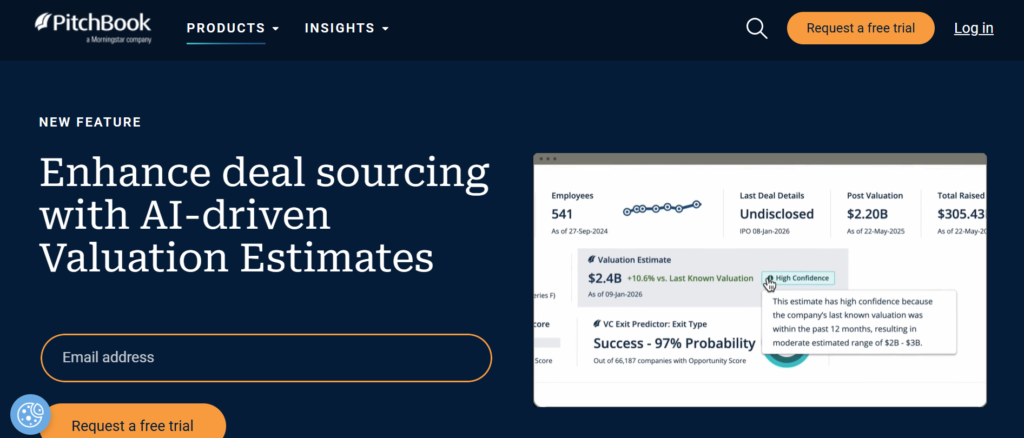
PitchBook – Deep Private Market Intelligence for Serious Investors
PitchBook is one of the most recognised private market intelligence platforms globally. Used by venture capital firms, private equity funds, investment banks and institutional investors across the UK, it delivers detailed data on companies, deals, valuations and fund performance.In almost every serious PitchBook review, one point stands out. The depth of private market data is hard to match.If you are comparing PitchBook vs Preqin or PitchBook vs S&P Capital IQ, the discussion typically centres on breadth of private company coverage versus fund analytics depth
Key Features
Extensive Private Company Database
PitchBook provides detailed profiles on startups, growth companies and private equity-backed businesses. For UK venture capital firms assessing early-stage investments, this enables benchmarking against comparable deals. Many PitchBook review summaries highlight its coverage of funding rounds, investor syndicates and valuation history.
Fund and Investor Tracking
You can analyse fund performance, capital raised and portfolio composition. In PitchBook vs Preqin comparisons, Preqin is often viewed as stronger in fund-level analytics, while PitchBook offers more integrated company-level intelligence.
Valuation and Deal Analytics
PitchBook includes valuation multiples, transaction comps and sector benchmarks. For UK private equity teams conducting financial due diligence, this supports defensible pricing discussions.For UK-based deal origination teams, this shortens the time between thesis and target list.
Integrated News and Market Updates
PitchBook includes transaction news, funding announcements and market analysis. This is particularly useful for monitoring competitor activity in the UK investment ecosystem
Pros & Cons
Pros
Cons
Deep private market data
High pricing tier
Strong deal comparables
Steep learning curve
Global coverage
May exceed angel needs
Institutional credibility
Limited free access
Pricing
PitchBook pricing is positioned at the premium end of the market. It is typically subscription-based and varies depending on:
Number of seats
Data access level
API integrations
In most PitchBook pricing discussions, it is compared against Preqin and S&P Capital IQ. It is generally suited to professional investors rather than occasional angel investors.If you are evaluating PitchBook alternatives, ensure you define whether you need deep private company data or fund-level analytics first.
Best For UK Venture Capital and Private Equity Firms
PitchBook is particularly effective for:
Verdict: If your UK investment strategy relies on structured deal sourcing and valuation benchmarking, PitchBook becomes a core research asset.
How to Use PitchBook for UK Deal Sourcing
Create saved searches based on:
UK-based SaaS companies
Revenue between £2m and £10m
Recent funding within 18 months
Founder-led ownership
EBITDA positive or near break-even
Export lists weekly and cross-reference with Companies House filings for financial verification.Compared with many PitchBook alternatives, the combination of private market depth and valuation analytics is its main strength.
Best Alternate Tool
If your focus is more on private equity fund performance tracking rather than company-level intelligence, Preqin is often shortlisted in PitchBook vs Preqin evaluations.
Crunchbase – Startup Intelligence and Early-Stage Deal Tracking
Crunchbase is widely used by angel investors, venture capital firms and corporate innovation teams across the UK to track startups, funding rounds and founder activity.In many Crunchbase review discussions, it is positioned as a lighter, more accessible alternative to PitchBook. If you are comparing Crunchbase vs PitchBook, the difference usually comes down to price, data depth and institutional coverage.For UK angel investors and early-stage VCs, Crunchbase often forms the first layer of due diligence tools for investors before deeper financial analysis begins.
Key Features
Funding Round Tracking
Crunchbase tracks seed, Series A and later-stage funding announcements globally, including UK startups. For investors screening pipeline opportunities, this provides visibility into recent capital raises and investor syndicates. Most Crunchbase review summaries highlight funding data as its core value.
Founder and Leadership Profiles
You can assess founder backgrounds, previous ventures and investor connections. During early-stage due diligence, leadership credibility often weighs heavily. Compared in Crunchbase vs PitchBook discussions, Crunchbase offers less depth but faster access.
Alerts and Watchlists
Set alerts for specific sectors or companies. If a UK fintech startup raises a new round, you receive notifications. Many Crunchbase review users highlight this as a practical feature for staying informed.
Basic Financial and Investor Data
While not as detailed as PitchBook, Crunchbase provides high-level financial summaries and investor participation data, useful during initial screening.
Book a call if you want to build a structured deal sourcing engine for UK early-stage investments.
Pros & Cons
In Crunchbase pricing comparisons, it is significantly lower cost than PitchBook or S&P Capital IQ, making it attractive for angel investors and smaller UK funds.If you are assessing Crunchbase alternatives, define whether you need institutional-grade valuation modelling or simply structured startup visibility.
Best For UK Angel Investors and Seed-Stage VCs
Crunchbase is particularly suited to:
Angels — Need quick founder background checks
Seed VCs — Monitor funding rounds
Accelerators — Track portfolio exposure
Corporate teams — Identify acquisition targets
Verdict: If you are investing below Series B in the UK, Crunchbase is often the most practical starting layer before deeper financial due diligence begins.
How to Use Crunchbase for UK Angel Investing
Create saved searches targeting:
UK-based startups founded within five years
Funding under £5 million
Sectors such as fintech, SaaS or healthtech
Founders with previous exit history
Cross-reference shortlisted companies with Companies House filings and credit checks before issuing term sheets.Compared with many Crunchbase alternatives, its balance between accessibility and startup visibility makes it ideal for early-stage investors.
Best Alternate Tool
If you require deeper valuation modelling and fund performance analytics, PitchBook is commonly evaluated in Crunchbase vs PitchBook comparisons.
Beauhurst – UK-Focused Company Intelligence for Serious Investors
Beauhurst is a UK-based data platform specialising in private company intelligence. Unlike global databases that spread coverage thinly, Beauhurst goes deep on UK businesses, high-growth companies and investment activity.In most Beauhurst review discussions, users highlight one clear advantage. It is built specifically for the UK market.If you are comparing Beauhurst vs Crunchbase or Beauhurst vs PitchBook, the difference often comes down to UK depth versus global breadth.For private equity firms, venture capital funds and corporate finance advisers operating in the UK, Beauhurst is one of the most relevant due diligence tools for investors available.
Key Features
Detailed UK Private Company Profiles
Beauhurst tracks UK private companies, including financial filings, growth signals and funding activity. During commercial due diligence, this level of granularity supports better risk assessment.In many Beauhurst review summaries, the depth of UK-specific intelligence is cited as its strongest feature.
Growth and Trigger Signals
The platform flags signals such as:
Significant hiring activity
New funding rounds
Leadership changes
M&A activity
High-growth indicators
For UK investors building outbound deal origination strategies, these signals shorten the time between research and outreach.
Shareholder and Ownership Mapping
Beauhurst provides detailed cap table insights and ownership structures. For private equity firms conducting ownership due diligence, this avoids surprises around minority stakes or complex share classes.Compared in Beauhurst vs PitchBook comparisons, Beauhurst is often stronger on UK shareholding transparency.
Sector and Regional Filtering
You can filter by:
UK region such as London, South East, Midlands or Scotland
Industry vertical
Revenue range
Funding stage
For regionally focused UK investment funds, this precision is highly valuable.
Financial and Filing Integration
Beauhurst integrates Companies House filings, making financial statement review more accessible. While it is not a full financial modelling tool, it supports initial financial due diligence screening.
Pros & Cons
Pros
Cons
Deep UK focus
Limited global coverage
Strong ownership mapping
Premium subscription
Useful growth signals
Not a full modelling tool
Good regional filters
May overlap with Companies House
Pricing
Beauhurst pricing is subscription-based and varies depending on:
Number of users
Access level
Data export requirements
In Beauhurst pricing comparisons, it typically sits below PitchBook but above entry-level tools like Crunchbase.If you are reviewing Beauhurst alternatives, clarify whether your priority is UK precision or international deal flow.
Best For UK-Focused Venture Capital and Regional PE Funds
Beauhurst is particularly well suited to:
Regional PE funds — Need geographic filtering
UK VCs — Want local funding visibility
Corporate advisers — Research sector clusters
Family offices — Track UK growth companies
Verdict: If your mandate is primarily UK-based investments, Beauhurst is one of the most relevant due diligence tools for investors available.
How to Use Beauhurst for UK Sector Mapping
Create filtered lists based on:
UK SaaS companies with revenue between £1m and £15m
Businesses headquartered outside London to reduce competition
Founder-led companies approaching five years of operation
Firms with recent hiring spikes
Export the shortlist and layer in financial due diligence and credit checks before issuing non-binding offers.Compared with many Beauhurst alternatives, its UK concentration makes it highly efficient for domestic deal origination.
Best Alternate Tool
If you require broader global coverage alongside UK data, PitchBook is frequently evaluated in Beauhurst vs PitchBook comparisons.
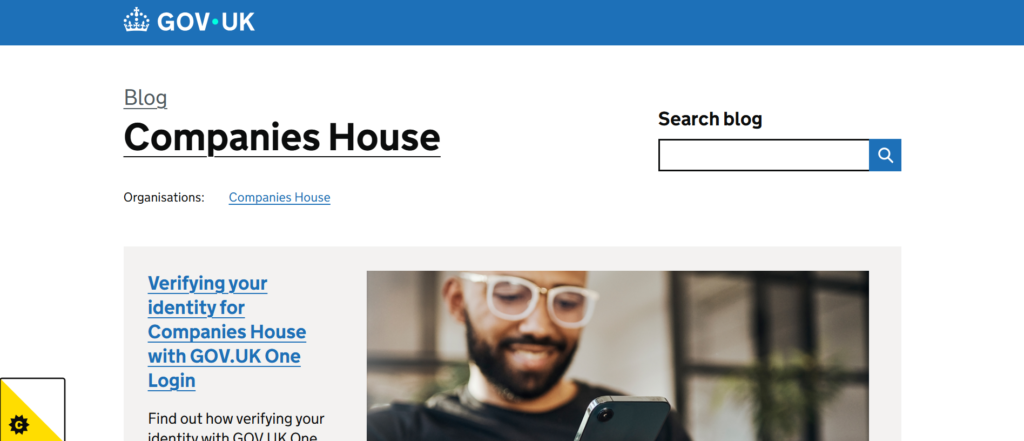
Companies House – The Foundation of UK Company Due Diligence
Companies House is the official UK government register of companies. It is not a flashy SaaS platform. It does not offer AI analytics. Yet for serious investors, it remains one of the most important due diligence tools for investors operating in the UK.Any credible financial due diligence process starts here.If you are comparing Companies House vs Beauhurst or Companies House vs Crunchbase, understand this clearly. Companies House is the statutory source. The others layer interpretation on top.
Key Features
Access to Statutory Filings
Companies House provides:
Annual accounts
Confirmation statements
Director appointments and resignations
Persons with significant control
Registered office history
Charges and debentures
During legal due diligence, this is the primary source for verifying corporate structure.Most Companies House review commentary from investors highlights its reliability as an official filing database.
Director and PSC Verification
You can identify directors and persons with significant control. This is critical when conducting background checks before issuing a term sheet.In early-stage UK investments, mismatches between pitch decks and Companies House records often surface here.
Charge and Security Filings
For private equity and debt investors, reviewing registered charges is non-negotiable. If a company has multiple fixed or floating charges, this affects capital structure and exit risk.In Companies House vs Beauhurst discussions, Beauhurst may visualise ownership better, but Companies House remains the legal reference point.
Free Public Access
Unlike most due diligence software, Companies House is free to access. For angel investors in the UK, this makes it an essential starting layer before purchasing premium data subscriptions.
Historical Filing Archive
You can trace financial trends and director changes over time. In distressed acquisitions, reviewing patterns of late filings or director churn can reveal operational instability.
Pros & Cons
Pros
Cons
Free access
No advanced analytics
Official statutory source
Manual review required
Director transparency
Interface basic
Charge verification
No valuation tools
Pricing
Companies House access to filings is free for most standard documents. Some historical or certified copies may incur small statutory fees.Compared with other due diligence tools for investors, it is the lowest-cost source of verified UK corporate information.However, it does not replace market intelligence platforms such as Beauhurst or PitchBook.
Best For Every UK Investor Conducting Statutory Checks
Companies House should be used by:
Angels — Verify director credibility
VCs — Confirm share allotments
PE funds — Review charge history
Lenders — Check secured creditor exposure
Verdict: No matter how advanced your due diligence software stack is, Companies House remains a mandatory checkpoint in UK transactions.
How to Use Companies House in a Structured UK Due Diligence Process
Before signing a heads of terms:
Download the last three years of accounts
Review confirmation statements for share changes
Check director appointment timelines
Review registered charges
Verify registered office history
Cross-check findings against information provided in the pitch deck and management presentations.Compared with many Companies House alternatives, there is no substitute for statutory filings in UK legal due diligence.
Best Alternate Tool
If you want UK company intelligence layered on top of statutory filings, Beauhurst is commonly reviewed in Companies House vs Beauhurst comparisons.
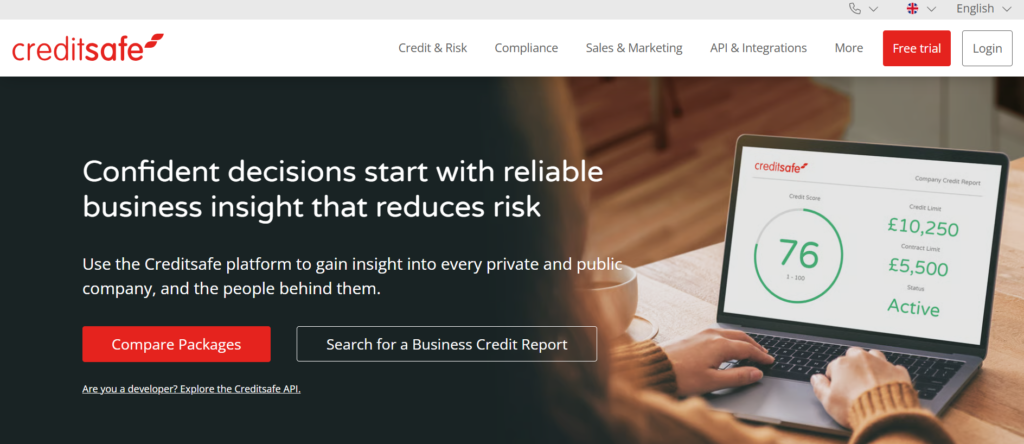
Creditsafe – UK Credit Risk Intelligence for Smarter Investment Decisions
Creditsafe is one of the leading business credit reporting agencies operating in the UK. For investors conducting financial due diligence, it provides credit scores, payment histories and financial risk indicators on UK companies.In many Creditsafe review discussions, the platform is positioned as a core layer for risk assessment before capital is deployed.If you are comparing Creditsafe vs Experian Business, the difference often comes down to database coverage, international reach and scoring methodology.
Key Features
UK Business Credit Scores
Creditsafe provides a credit score rating based on financial performance, filing history and payment data. During financial due diligence, this acts as a quick health indicator before deeper modelling begins.Most Creditsafe review summaries highlight the simplicity of interpreting credit risk bands.
Payment Behaviour Insights
The platform tracks how promptly a company pays suppliers. Chronic late payment patterns can indicate cash flow pressure, even if headline revenue appears strong.In UK SME acquisitions, this layer often surfaces operational strain that standard financial statements may not immediately reveal.
Director and Group Structure Checks
Creditsafe allows you to view director histories and group ownership structures. When conducting risk assessment across related entities, this visibility prevents exposure to hidden liabilities.Compared in Creditsafe vs Experian Business evaluations, both provide director-level data, but coverage depth may vary by sector.
International Coverage
For UK investors acquiring companies with overseas subsidiaries, Creditsafe offers international reports across multiple jurisdictions. This is particularly relevant for cross-border private equity strategies.
Monitoring and Alerts
You can set up monitoring alerts to track:
Credit score changes
New charges filed
Financial deterioration
Director changes
This ongoing monitoring extends due diligence beyond initial investment.
Pros & Cons
Pros
Cons
Strong UK credit data
Subscription required
Useful payment behaviour insights
Not a valuation tool
International reporting
Data may require cross-check
Ongoing monitoring alerts
Primarily credit-focused
Pricing
Creditsafe pricing is subscription-based and varies depending on:
Number of reports required
International coverage
Monitoring features
User seats
In Creditsafe pricing comparisons, it is generally mid-tier among business credit providers in the UK.If you are evaluating Creditsafe alternatives, clarify whether you require purely UK coverage or broader international exposure.
Best For UK Private Equity, Debt Investors and Trade Credit Risk Checks
Creditsafe is particularly effective for:
Family offices — seeking structured risk assessment
Verdict: If you are investing in UK SMEs where cash flow volatility is common, Creditsafe adds an essential credit risk layer to your due diligence stack.
How to Use Creditsafe Before Signing a UK Term Sheet
Before issuing binding offers:
Pull full credit report
Review payment history trends
Check for recent credit score downgrades
Verify registered charges
Cross-reference with Companies House filings
This combination tightens financial due diligence and reduces unpleasant surprises after completion.Compared with many Creditsafe alternatives, its balance of accessibility and UK database strength makes it widely adopted.
Best Alternate Tool
If you want broader consumer and commercial credit analytics, Experian Business is often reviewed in Creditsafe vs Experian Business comparisons.
Experian Business – Advanced Commercial Credit and Risk Intelligence
Experian Business is the commercial credit division of Experian, providing detailed credit reports, risk analytics and financial health indicators on UK companies.In many Experian Business review discussions, the platform is positioned as a strong competitor to Creditsafe, particularly for deeper scoring models and broader analytics.If you are comparing Experian Business vs Creditsafe, the key differences typically revolve around scoring depth, international datasets and integration capabilities.For private equity funds, debt investors and corporate acquirers operating in the UK, Experian Business is one of the more established due diligence tools for investors when assessing credit exposure.
Key Features
Commercial Credit Risk Scores
Experian Business provides structured credit risk scores based on financial filings, payment data and predictive modelling. During financial due diligence, this helps quantify probability of default rather than relying purely on qualitative judgement.In most Experian Business review summaries, predictive scoring is cited as a differentiator.
Financial Stability Indicators
Beyond a simple score, the platform offers financial stress indicators, delinquency trends and risk alerts. For UK SME acquisitions, this gives a forward-looking perspective rather than just historical performance.Compared in Experian Business vs Creditsafe comparisons, some investors prefer Experian’s broader analytics framework.
Director and Ownership Checks
Experian Business includes director history, associated businesses and group structures. During legal due diligence, this reduces exposure to hidden cross-company liabilities.For private equity funds acquiring founder-led UK businesses, this layer is particularly relevant.
International Risk Coverage
If your target company trades internationally, Experian Business offers cross-border reporting. This is valuable for UK investors acquiring companies with European or US exposure.
Monitoring and Portfolio Oversight
Ongoing monitoring tools track credit rating changes, adverse filings and financial deterioration. This extends due diligence beyond deal completion into active portfolio management.
Pros & Cons
Pros
Cons
Advanced predictive scoring
Subscription pricing
Strong international coverage
May exceed angel needs
Useful monitoring alerts
Credit-focused tool
Broad financial analytics
Not a valuation platform
Pricing
Experian Business pricing is customised based on:
Volume of reports
Monitoring features
International access
User seats
In Experian Business pricing comparisons, it is typically similar to or slightly above Creditsafe depending on data scope.If you are reviewing Experian Business alternatives, clarify whether predictive modelling depth or cost efficiency is your priority.
Best For UK Debt Funds and Risk-Focused Investors
Experian Business is particularly suited to:
Family offices — managing diversified portfolios
Debt investors — Assess default probability
PE funds — Evaluate financial stress signals
Corporate buyers — Check supplier solvency
Family offices — Monitor portfolio companies
Verdict: If your UK investment thesis includes leveraged transactions or credit exposure, Experian Business adds a strong analytical layer to your due diligence stack.
How to Use Experian Business Before Finalising UK Acquisition Terms
Before signing definitive agreements:
Pull full commercial credit report
Analyse probability of default score
Review financial stress trends
Cross-check charges with Companies House
Set up ongoing monitoring alerts
Combined with statutory filings and management accounts, this creates a stronger financial due diligence position.Compared with many Experian Business alternatives, its predictive modelling capability makes it particularly valuable for credit-sensitive transactions.
Best Alternate Tool
If you prefer a more straightforward credit scoring system with strong UK SME coverage, Creditsafe is commonly compared in Experian Business vs Creditsafe evaluations.
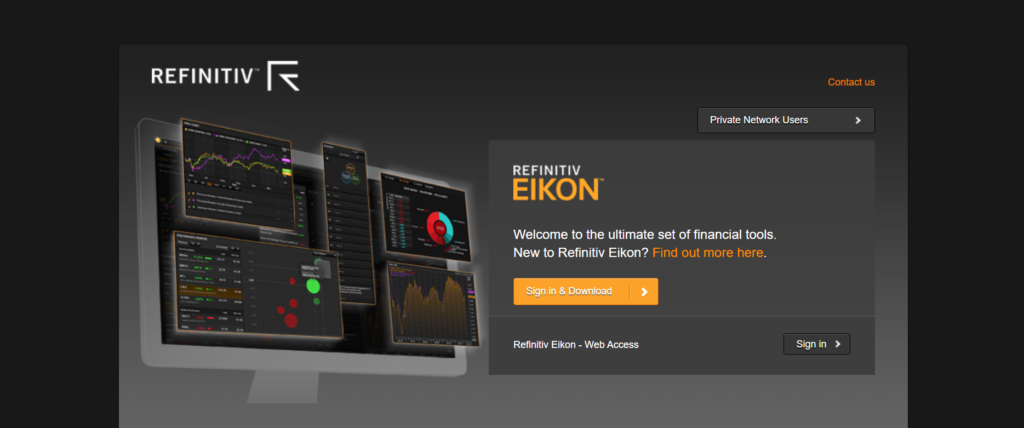
Refinitiv – Institutional Financial Intelligence for High-Value UK Transactions
Refinitiv, now part of the London Stock Exchange Group, is a heavyweight in financial market data and analytics. Used by institutional investors, investment banks and large private equity firms across the UK, it delivers deep financial intelligence across public and private markets.In most Refinitiv review discussions, scale and data depth are the dominant themes.If you are comparing Refinitiv vs Bloomberg Terminal or Refinitiv vs S&P Capital IQ, the decision often hinges on pricing structure, interface preference and integration with existing institutional systems.For larger UK investors conducting complex financial due diligence, Refinitiv is one of the more powerful due diligence tools for investors available.
Key Features
Extensive Financial Market Data
Refinitiv provides access to:
Equity and debt market data
M&A transaction history
Analyst estimates
Company financials
Industry benchmarks
For UK private equity firms analysing listed comparables during valuation modelling, this data supports more defensible pricing assumptions.In many Refinitiv review breakdowns, the breadth of global financial data stands out.
M&A and Deal Analytics
The platform includes detailed transaction data covering global M&A activity. When benchmarking UK acquisitions against historical multiples, this improves financial due diligence rigour.Compared in Refinitiv vs S&P Capital IQ comparisons, both provide strong deal data, but interface and workflow preferences vary by firm.
Risk and Compliance Screening
Refinitiv includes sanctions lists, politically exposed persons data and adverse media screening. For UK investors acquiring companies in regulated sectors, this adds a compliance layer alongside financial analysis.
Advanced Analytics and Modelling Tools
Users can build financial models directly within the platform using integrated datasets. For investment committees requiring structured valuation reports, this reduces reliance on disconnected spreadsheets.
API and Integration Capabilities
Refinitiv integrates with internal systems and trading platforms. Institutional investors in London often prioritise this capability when evaluating Refinitiv alternatives..
Pros & Cons
Pros
Cons
Deep institutional data
Premium pricing
Strong M&A analytics
Steep learning curve
Integrated compliance tools
Overkill for small funds
Global coverage
Enterprise positioning
Pricing
Refinitiv pricing is enterprise-level and typically customised based on:
Data modules required
Number of users
Integration needs
Geographic coverage
In Refinitiv pricing comparisons, it is positioned in the same premium category as Bloomberg Terminal.If you are evaluating Refinitiv alternatives, ensure your firm genuinely requires institutional-grade data rather than lighter private market tools.
Best For Large UK Private Equity and Institutional Investors
Refinitiv is particularly suited to:
Regulated financial — services acquirers
Large PE funds — Need global valuation comps
Investment banks — Require integrated deal data
Institutional investors — Use cross-asset analytics
Regulated acquirers — Need sanctions screening
Verdict: If you operate at the upper tier of UK dealmaking, Refinitiv provides the financial intelligence infrastructure expected by institutional stakeholders.
How to Use Refinitiv for UK Valuation Benchmarking
Before finalising acquisition pricing:
Pull comparable transaction multiples
Review sector-specific valuation trends
Analyse public company peer multiples
Assess macroeconomic indicators
Layer findings into your financial model
Compared with many Refinitiv alternatives, its combination of deal data and broader market intelligence makes it particularly useful for larger transactions.
Best Alternate Tool
If your team prefers a more terminal-based environment with strong public market analytics, Bloomberg Terminal is often evaluated in Refinitiv vs Bloomberg comparisons.
Bloomberg L.P. – The Bloomberg Terminal Standard for Institutional Investors
The Bloomberg Terminal, developed by Bloomberg L.P., is one of the most recognised financial intelligence platforms in global capital markets. Across the UK, it is widely used by investment banks, hedge funds, asset managers and larger private equity firms.In nearly every Bloomberg Terminal review, one phrase appears repeatedly. It is the institutional benchmark.If you are comparing Bloomberg Terminal vs Refinitiv, the debate usually centres around interface preference, asset coverage and pricing structure.For UK investors conducting advanced financial due diligence, valuation benchmarking and macro analysis, Bloomberg remains one of the most powerful due diligence tools for investors available.
Key Features
Real-Time Financial Market Data
Bloomberg delivers live data across:
Equities
Fixed income
Commodities
FX markets
Derivatives
For UK private equity firms using public comparables in valuation modelling, real-time pricing sharpens financial due diligence assumptions.In most Bloomberg Terminal review discussions, market depth is its strongest advantage.
M&A and Transaction Analytics
The platform includes detailed global M&A transaction history. When benchmarking UK acquisitions against historical deal multiples, this data supports stronger investment committee presentations.Compared in Bloomberg Terminal vs Refinitiv comparisons, both offer robust transaction databases, though workflow preferences vary by firm.
Company Financials and Valuation Tools
Bloomberg allows users to:
Build valuation models
Analyse financial statements
Compare peer performance
Review analyst forecasts
For institutional investors in London, this reduces dependency on separate modelling tools.
Risk and Compliance Screening
Bloomberg includes sanctions lists, adverse media tracking and ESG metrics. During legal due diligence and regulatory review, this strengthens compliance oversight.
Global News and Intelligence
Integrated news feeds provide continuous coverage of market developments, sector shifts and policy changes. For UK investors tracking regulatory announcements or macroeconomic signals, this informs strategic timing.
Pros & Cons
Pros
Cons
Institutional standard
High subscription cost
Real-time market data
Steep learning curve
Strong valuation tools
Overkill for angels
Broad asset coverage
Terminal-based interface
Pricing
Bloomberg Terminal pricing is premium and typically charged per user, annually. Costs are generally comparable to or higher than Refinitiv.In Bloomberg Terminal pricing comparisons, it is usually suited to institutional investors rather than small venture funds.If you are reviewing Bloomberg Terminal alternatives, ensure you genuinely require real-time global market data rather than private company intelligence only.
Best For Institutional UK Investors and Large Private Equity Funds
Bloomberg is particularly suited to:
Institutional PE funds — Need real-time comparables
Investment banks — Prepare valuation analyses
Hedge funds — Monitor cross-asset exposure
Asset managers — Track macro and sector risk
Verdict: If your UK investment strategy relies heavily on public market comparables and macroeconomic timing, Bloomberg remains a powerful analytical engine.
How to Use Bloomberg for UK Valuation Analysis
Before finalising acquisition pricing:
Pull sector-specific public comparables
Analyse historical trading multiples
Review analyst forecast trends
Assess sector volatility
Layer findings into discounted cash flow modelling
Compared with many Bloomberg Terminal alternatives, the depth of integrated market analytics remains difficult to match at institutional level.
Best Alternate Tool
If your firm prefers a more modular pricing structure with strong deal analytics, Refinitiv is frequently evaluated in Bloomberg Terminal vs Refinitiv comparisons.
Diligent Corporation – Governance and Board-Level Oversight for Serious Investors
Diligent is a governance, risk and compliance platform used by boards, institutional investors and large private equity firms across the UK. While not a traditional virtual data room, it plays a critical role in post-investment oversight and governance due diligence.In many Diligent review discussions, it is positioned as a board intelligence and compliance management system rather than a deal execution tool.If you are comparing Diligent vs DealRoom or Diligent vs Datasite, understand this distinction clearly. Diligent focuses on governance, compliance tracking and board reporting rather than transaction document exchange.
Key Features
Board Portal and Document Management
Diligent provides secure board portals where directors can access meeting packs, resolutions and compliance documentation. For UK private equity firms with board seats across multiple portfolio companies, this centralises governance documentation.Most Diligent review feedback highlights improved board communication and structured record keeping.
Risk and Compliance Tracking
The platform allows tracking of regulatory obligations, policy acknowledgements and compliance workflows. In regulated UK sectors such as financial services, this strengthens post-acquisition oversight.Compared in Diligent vs iDeals discussions, Diligent is governance-focused rather than deal-focused.
ESG and Risk Reporting
Diligent includes ESG monitoring tools and structured risk dashboards. For UK investors facing increasing scrutiny around environmental and social governance, this provides documented oversight.
Audit Trails and Secure Communication
All board communications are logged and secured. For institutional investors, maintaining defensible audit trails reduces governance exposure.
Entity Management
Diligent supports tracking of subsidiaries, board members and corporate structures. This is useful for UK private equity firms running complex holding company structures.
Pros & Cons
Pros
Cons
Strong governance focus
Not a deal VDR
Secure board communication
Premium pricing
ESG tracking included
Overkill for angels
Audit-ready reporting
Best for larger firms
Pricing
Diligent pricing is customised based on:
Number of entities
Board members
Governance modules required
User access levels
In Diligent pricing comparisons, it is positioned for mid-to-large private equity firms and institutional investors rather than small venture funds.If you are reviewing Diligent alternatives, confirm whether you need governance infrastructure or transaction-focused software.
Best For UK Private Equity Firms with Active Board Involvement
Diligent is particularly suited to:
Family offices — managing complex group structures
Verdict: If your UK investment strategy includes active governance and board participation, Diligent strengthens oversight beyond initial due diligence.
How to Use Diligent for UK Portfolio Governance
After completing an acquisition:
Onboard board members onto the portal
Upload governance policies
Schedule structured board meetings
Track regulatory obligations
Maintain documented decision logs
Compared with many Diligent alternatives, its focus on governance rather than transaction management makes it a complementary tool in your diligence stack.
Best Alternate Tool
If your primary focus is secure document exchange during live transactions rather than ongoing governance, iDeals is commonly evaluated in Diligent vs iDeals comparisons.
iDeals Solutions – Secure Virtual Data Rooms for Mid-Market UK Transactions
iDeals is a widely used virtual data room provider serving private equity firms, corporate finance advisers and legal teams across the UK. It is often positioned as a practical alternative to larger enterprise platforms such as Datasite or Intralinks.In many iDeals review discussions, users emphasise ease of use, strong security controls and suitability for mid-market deals.If you are comparing iDeals vs Datasite or iDeals vs Ansarada, the conversation usually centres around pricing flexibility and user interface simplicity.For UK investors executing lower to mid-market transactions, iDeals remains one of the more accessible due diligence tools for investors.
Key Features
Secure Virtual Data Room
iDeals provides encrypted document storage, granular permission settings and watermarking. For UK M&A transactions requiring secure disclosure of financial due diligence documents, this creates a controlled environment without unnecessary complexity.Most iDeals review summaries highlight its strong balance between security and usability.
Advanced Q&A Module
The Q&A feature allows structured communication between buyers and sellers. Permissions can be set by role, reducing information leakage during competitive sale processes.In iDeals vs Intralinks comparisons, some mid-market firms prefer iDeals for its cleaner interface.
User-Friendly Interface
Unlike some institutional platforms, iDeals is often praised for its intuitive layout. For UK SMEs going through their first sale process, this reduces onboarding friction.Ease of use is frequently cited in iDeals review commentary as a key differentiator.
Detailed Activity Reporting
The platform tracks document views, downloads and user engagement. For sellers, this can signal which bidders are most active. For buyers, it provides structured audit trails.
Customisable Access Controls
You can define permissions at folder, document or user level. For UK legal due diligence processes involving sensitive contracts or IP documents, this ensures appropriate disclosure boundaries.
Pros & Cons
Pros
Cons
User-friendly interface
Less enterprise depth
Strong security features
Custom pricing
Good mid-market fit
Limited AI risk tools
Flexible permission controls
Not workflow-centric
Pricing
iDeals pricing is customised based on:
Storage volume
Number of users
Duration of transaction
Support level required
In iDeals pricing comparisons, it often sits below Datasite and Intralinks, making it attractive for mid-market UK deals.If you are reviewing iDeals alternatives, confirm whether you need advanced AI-driven risk scoring or primarily secure document hosting.
Best For UK Mid-Market M&A Transactions
iDeals is particularly suited to:
Legal teams — managing disclosure
Mid-market PE funds — Need secure disclosure control
Advisers — Run competitive processes
Business owners — First-time sellers
Legal teams — Structured Q&A management
Verdict: If your UK deal size sits below the institutional mega-deal tier, iDeals provides secure document management without unnecessary complexity.
How to Use iDeals for UK Competitive Sale Processes
To improve bidder engagement:
Structure folders clearly by diligence category
Use staged document releases
Monitor bidder document access
Use Q&A categorisation
Maintain strict permission hierarchies
Compared with many iDeals alternatives, its simplicity makes it suitable for sellers who need clarity over technical sophistication.
Best Alternate Tool
If you require AI-powered risk analysis layered on top of your data room, Ansarada is often reviewed in iDeals vs Ansarada comparisons.
Kira Systems – AI Contract Review for Legal Due Diligence
Kira Systems is a contract analysis platform widely used by law firms, private equity houses and corporate legal teams. It focuses on extracting, reviewing and analysing contractual clauses at scale.In most Kira Systems review discussions, the standout feature is its ability to reduce manual contract review time during legal due diligence.If you are comparing Kira Systems vs Luminance or Kira Systems vs traditional manual review, the main difference lies in speed, consistency and risk identification across large document sets.
Key Features
AI-Powered Clause Extraction
Kira identifies and extracts key contractual provisions such as:
Change of control clauses
Termination rights
Liability caps
Assignment restrictions
Non-compete agreements
During UK legal due diligence, this reduces the risk of missing critical clauses buried deep within long agreements.Most Kira Systems review commentary highlights clause accuracy and time savings.
Custom Clause Models
Users can train the system to recognise specific clause types relevant to their sector. For private equity firms specialising in healthcare or technology in the UK, this improves review precision across recurring deal types.
Portfolio-Wide Contract Analysis
Kira enables bulk analysis of hundreds or thousands of contracts. For UK buy-and-build strategies, this is particularly useful when consolidating multiple acquisitions with varied contract portfolios.
Risk Identification Reporting
The platform generates structured reports summarising contract risks. During investment committee discussions, these reports support informed pricing adjustments.Compared in Kira Systems vs manual review discussions, reporting consistency is a clear advantage.
Integration with Deal Workflows
Kira integrates with virtual data rooms and document management systems, allowing contract review to sit alongside broader financial and commercial due diligence processes..
Pros & Cons
Pros
Cons
Significant time savings
Custom pricing
Strong clause detection
Requires initial training
Useful risk reporting
Best for larger contract sets
Scales across portfolios
Legal-focused tool
Pricing
Kira Systems pricing is enterprise-based and customised depending on:
Number of users
Volume of documents
Custom clause models
Integration needs
In Kira Systems pricing comparisons, it is positioned for law firms and private equity funds rather than small angel investors.If you are reviewing Kira Systems alternatives, confirm whether AI contract analysis is necessary for your typical deal size.
Best For UK Private Equity and Law Firms Managing Large Contract Sets
Kira Systems is particularly suited to:
UK law firms handling high-volume M&A transactions
Corporate acquirers reviewing supplier agreements
Regulated sector transactions with complex licensing terms
PE funds — Analyse change of control exposure
Law firms — Reduce manual review hours
Corporate buyers — Identify termination risk
Regulated sectors — Review compliance clauses
Verdict: If your UK acquisition includes hundreds of commercial contracts, Kira Systems materially reduces legal due diligence time and oversight risk.
How to Use Kira Systems During UK Acquisition Review
Before finalising transaction terms:
Upload all material contracts
Run clause extraction for change of control
Identify assignment restrictions
Flag unusual liability caps
Summarise termination exposure
Use findings to renegotiate pricing or insert indemnity protections.Compared with many Kira Systems alternatives, its structured clause reporting supports more defensible legal risk analysis.
Best Alternate Tool
If you want a broader AI document review with a more UK-centric market presence, Luminance is often reviewed in Kira Systems vs Luminance comparisons.
Onfido – Digital Identity and KYC Verification for Investor Compliance
Onfido is a digital identity verification platform used by financial institutions, fintech companies and regulated businesses across the UK. While not a traditional M&A tool, it plays a critical role in compliance-focused due diligence.In many Onfido review discussions, the emphasis is on secure, remote identity verification and fraud prevention.If you are comparing Onfido vs other KYC providers such as Trulioo, the decision usually comes down to geographic coverage, biometric capabilities and integration flexibility.For UK investors operating in regulated sectors or onboarding shareholders and directors, Onfido adds a compliance layer to broader due diligence tools for investors.
Key Features
Automated Identity Verification
Onfido verifies identity documents such as passports and driving licences using AI-powered document analysis. During legal due diligence, verifying director and shareholder identity reduces exposure to fraud.
Most Onfido review commentary highlights its accuracy and remote onboarding capability.
Biometric Facial Matching
The platform uses facial recognition to match a user’s selfie or video to their identity document. For UK fintech or financial services acquisitions, this strengthens anti-money laundering checks.
AML and PEP Screening
Onfido supports screening against sanctions lists and politically exposed persons databases. For UK private equity firms acquiring regulated entities, this compliance layer is critical.Compared in Onfido vs manual KYC checks, automation significantly reduces processing time.
Global Coverage
Onfido supports identity verification across multiple jurisdictions. For UK investors acquiring overseas subsidiaries, this allows consistent verification standards.
API Integration
The platform integrates into onboarding systems and compliance workflows. Institutional investors often prioritise integration when evaluating Onfido alternatives.
Pros & Cons
Pros
Cons
Strong digital verification
Usage-based pricing
Biometric fraud detection
Compliance-focused tool
Global document coverage
Not a deal management system
API integration ready
Best for regulated sectors
Pricing
Onfido pricing is typically usage-based, depending on:
Volume of identity checks
Geographic coverage
Level of verification required
AML screening modules
In Onfido pricing comparisons, costs scale with transaction volume, making it more relevant for funds or firms onboarding multiple stakeholders.If you are reviewing Onfido alternatives, clarify whether you require full biometric verification or basic document checks.
Best For UK Regulated Investors and Fintech Acquisitions
Onfido is particularly suited to:
Financial institutions — requiring strict AML checks
Regulated PE funds — Verify director identity
Fintech investors — Conduct biometric checks
Corporate buyers — Screen new shareholders
Financial institutions — Maintain AML compliance
Verdict: If your UK investment involves regulated entities or cross-border stakeholders, Onfido strengthens identity verification beyond traditional document review.
How to Use Onfido During UK Transaction Onboarding
Before completing a transaction:
Verify all incoming directors
Conduct AML and PEP screening
Validate overseas shareholder identity
Archive verification logs
Integrate checks into compliance records
Compared with many Onfido alternatives, its biometric layer adds an extra safeguard during onboarding.
Best Alternate Tool
If you require broader global business verification alongside identity checks, Trulioo is often evaluated in Onfido vs Trulioo comparisons.
Dow Jones Risk & Compliance – Sanctions and Adverse Media Screening
Dow Jones Risk & Compliance is a global screening and intelligence solution built on the Dow Jones data network. It is widely used by financial institutions, private equity firms and regulated businesses across the UK.In many Dow Jones Risk review discussions, the platform is recognised for its sanctions screening and adverse media intelligence capabilities.If you are comparing Dow Jones Risk vs Refinitiv World-Check, the conversation typically focuses on database depth, global coverage and integration flexibility.For UK investors operating in regulated sectors or cross-border transactions, Dow Jones Risk strengthens the compliance layer within broader due diligence tools for investors.
Key Features
Sanctions and Watchlist Screening
Dow Jones Risk screens individuals and entities against global sanctions lists. For UK investors acquiring overseas subsidiaries or onboarding foreign directors, this reduces regulatory exposure.
Most Dow Jones Risk review commentary highlights the breadth of international sanctions coverage.
Politically Exposed Persons Monitoring
The platform flags politically exposed persons and high-risk relationships. During legal due diligence in sensitive sectors, this layer helps prevent reputational damage.
Compared in Dow Jones Risk vs Refinitiv evaluations, both offer strong PEP screening, though data presentation may differ.
Adverse Media Intelligence
Dow Jones aggregates global media sources to identify negative news linked to companies or individuals. For UK private equity firms, reputational risk assessment is increasingly critical during commercial due diligence.
Ongoing Monitoring
Rather than one-off checks, the system allows continuous monitoring of risk profiles. If a portfolio company director becomes subject to investigation, alerts are triggered.
API and System Integration
Dow Jones Risk integrates into compliance workflows and onboarding systems. Institutional investors in London often require this level of system compatibility.
Pros & Cons
Pros
Cons
Extensive sanctions database
Enterprise pricing
Strong adverse media coverage
Compliance-focused tool
Ongoing monitoring alerts
Requires integration setup
Global reach
Not a valuation platform
Pricing
Dow Jones Risk pricing is customised based on:
Number of screenings
Monitoring requirements
Geographic coverage
Integration scope
In Dow Jones Risk pricing comparisons, it is typically positioned at the institutional level alongside Refinitiv compliance solutions.If you are reviewing Dow Jones Risk alternatives, confirm whether you require global sanctions depth or lighter screening tools.
Best For UK Investors in Regulated and Cross-Border Transactions
Dow Jones Risk is particularly suited to
Corporate — acquirers with international exposure
Regulated PE funds — Screen directors and shareholders
Verdict: If your UK investment activity includes cross-border exposure or regulated sectors, Dow Jones Risk adds a strong compliance filter to your due diligence stack.
How to Use Dow Jones Risk Before Completing a UK Acquisition
Before signing definitive agreements:
Screen all directors and major shareholders
Run sanctions and PEP checks
Review adverse media reports
Document risk findings
Set up ongoing monitoring alerts
Compared with many Dow Jones Risk alternatives, its global intelligence network supports more thorough compliance oversight.
Best Alternate ToolRefinitiv World-Check is often evaluated in Dow Jones Risk vs Refinitiv comparisons.
Preqin – Private Equity and Fund Performance Intelligence
Preqin is a leading provider of private capital data, covering private equity, venture capital, hedge funds, infrastructure and real assets. Across the UK, it is widely used by institutional investors, fund managers and placement agents.In most Preqin review discussions, fund-level analytics and LP-GP intelligence are its strongest differentiators.If you are comparing Preqin vs PitchBook, the distinction usually lies in emphasis. Preqin focuses heavily on fund performance, fundraising data and investor profiles, whereas PitchBook often leans further into company-level intelligence.
Key Features
Private Equity Fund Performance Data
Preqin provides historical performance metrics including IRR, fund multiples and capital raised. For UK institutional investors allocating capital to private equity funds, this enables structured benchmarking.Most Preqin review summaries highlight the depth of fund-level performance tracking.
LP and GP Intelligence
The platform tracks limited partners, general partners and fundraising activity. If you are assessing a UK fund manager’s track record before committing capital, this visibility supports stronger investment committee discussions.Compared in Preqin vs PitchBook comparisons, Preqin is often preferred for LP-GP relationship mapping.
Fundraising and Capital Flows
Preqin monitors capital raising trends across sectors and geographies. For UK investors planning new fund launches, this provides competitive positioning context.
Secondary Market and Co-Investment Data
For private equity firms considering secondary transactions, Preqin offers insights into market activity and pricing patterns.
Custom Reporting and Data Exports
Users can generate structured reports for internal investment committees. Institutional investors in London often rely on this functionality for portfolio allocation reviews.
Pros & Cons
Pros
Cons
Strong fund performance data
Premium subscription
Deep LP-GP intelligence
Less startup focus
Useful fundraising analytics
Learning curve
Institutional credibility
Not a deal VDR
Pricing
Preqin pricing is subscription-based and varies depending on:
Data modules required
Geographic coverage
Number of users
Export functionality
In Preqin pricing comparisons, it is positioned at the institutional end of the market, comparable to PitchBook in cost.If you are reviewing Preqin alternatives, confirm whether your focus is fund allocation analysis or company-level deal sourcing.
Best For UK Institutional Investors and Fund Allocators
Preqin is particularly suited to:
Pension funds allocating to private equity
Family offices assessing fund managers
Fund-of-funds structures
Placement agents analysing fundraising trends
Pension funds — Benchmark fund performance
Family offices — Review GP track records
Fund-of-funds — Analyse portfolio diversification
Placement agents — Track capital raising cycles
Verdict: If your UK investment strategy centres on allocating capital to private equity funds rather than direct company acquisitions, Preqin is one of the most relevant intelligence platforms available.
How to Use Preqin Before Committing to a UK Private Equity Fund
Before signing subscription agreements:
Review historical IRR and DPI metrics
Analyse sector exposure
Compare against peer funds
Assess fundraising velocity
Cross-reference LP base
Compared with many Preqin alternatives, its depth in private capital performance data supports stronger capital allocation decisions.
Best Alternate Tool
If your focus is broader company-level intelligence alongside fund data, PitchBook is frequently evaluated in Preqin vs PitchBook comparisons.
S&P Global Capital IQ – Advanced Financial Modelling and Valuation Intelligence
S&P Capital IQ, part of S&P Global, is a financial intelligence platform widely used by investment banks, private equity firms and institutional investors across the UK.In most S&P Capital IQ review discussions, valuation modelling and financial statement depth are the primary strengths highlighted.If you are comparing S&P Capital IQ vs Bloomberg Terminal or S&P Capital IQ vs Refinitiv, the debate often focuses on modelling flexibility, database breadth and workflow integration.For UK investors conducting detailed financial due diligence and valuation analysis, S&P Capital IQ remains one of the more technically powerful due diligence tools for investors.
Key Features
Detailed Financial Statement Data
Capital IQ provides historical and forecast financials across public and many private companies. For UK private equity teams benchmarking acquisition targets against listed peers, this supports tighter valuation assumptions.
Most S&P Capital IQ review commentary points to financial statement granularity as a core benefit.
Integrated Valuation Modelling
The platform integrates with Excel, allowing analysts to pull live data directly into financial models. During financial due diligence, this reduces manual data entry errors.
In S&P Capital IQ vs Bloomberg comparisons, Excel integration is frequently cited as a major advantage.
Transaction and Comparable Data
Capital IQ includes global M&A transaction data and comparable company analysis. For UK acquisitions, this strengthens pricing negotiations and investment committee presentations.
Credit Ratings and Risk Data
S&P’s credit rating framework provides additional context for debt-heavy transactions. For leveraged buyouts in the UK mid-market, this adds a structured risk dimension.
Pros & Cons
Pros
Cons
Strong Excel integration
Premium subscription
Deep financial data
Learning curve
Useful comparable analysis
Institutional focus
Credit rating insights
Overkill for angels
Pricing
S&P Capital IQ pricing is subscription-based and generally positioned at the institutional level.
Costs depend on:
Data modules selected
Number of users
Geographic coverage
API access
In S&P Capital IQ pricing comparisons, it competes directly with Bloomberg and Refinitiv in the higher tier of financial data platforms.If you are reviewing S&P Capital IQ alternatives, clarify whether advanced modelling depth is essential for your UK investment mandate.
Best For UK Private Equity and Investment Banking Teams
S&P Capital IQ is particularly suited to:
Verdict: If your UK investment decisions hinge on detailed financial modelling and comparable analysis, S&P Capital IQ offers strong analytical infrastructure.
How to Use S&P Capital IQ in UK Valuation Modelling
Before submitting final pricing:
Pull peer group financials
Benchmark EBITDA multiples
Review historical transaction comps
Analyse debt capacity assumptions
Integrate findings into LBO model
Compared with many S&P Capital IQ alternatives, its Excel integration makes it particularly effective for analysts working within established modelling workflows.
Best Alternate Tool
If you prefer a terminal-based environment with broader real-time market coverage, Bloomberg Terminal is often evaluated in S&P Capital IQ vs Bloomberg comparisons.
Bureau van Dijk Orbis – Global Corporate Ownership and Structure Intelligence
Orbis, developed by Bureau van Dijk, is a global corporate database covering millions of private and public companies. Across the UK, it is widely used by private equity firms, institutional investors and compliance teams needing detailed ownership mapping.In most Orbis review discussions, ownership transparency and global coverage are its primary strengths.If you are comparing Orbis vs S&P Capital IQ or Orbis vs Refinitiv, the key distinction lies in corporate structure depth rather than market analytics.
Key Features
Global Ownership Mapping
Orbis provides detailed corporate structure trees, showing parent companies, subsidiaries and ultimate beneficial owners. For UK private equity firms acquiring international groups, this avoids unexpected cross-border exposure.
Most Orbis review commentary highlights its visual ownership mapping tools.
Financial and Filing Data Integration
The platform aggregates financial statements and filing data from multiple jurisdictions. During financial due diligence on companies with overseas operations, this centralises access.
Compared in Orbis vs S&P Capital IQ comparisons, Orbis often excels in structural mapping rather than valuation modelling.
Beneficial Ownership Identification
Orbis helps identify ultimate beneficial owners across layered structures. For UK compliance teams and regulated investors, this reduces AML and reputational risk.
Industry and Peer Benchmarking
The platform allows screening by sector, geography and financial metrics. UK investors sourcing cross-border acquisitions can generate structured target lists.
Risk and Compliance Integration
Orbis integrates with compliance screening workflows, complementing tools such as Dow Jones Risk or Refinitiv World-Check.
Pros & Cons
Pros
Cons
Strong ownership mapping
Premium pricing
Global company coverage
Learning curve
Beneficial owner visibility
Not a primary valuation tool
Useful cross-border data
Institutional focus
Pricing
Orbis pricing is subscription-based and customised depending on:
Geographic coverage
Data export requirements
Number of users
Integration needs
In Orbis pricing comparisons, it is positioned at the institutional end of the business intelligence market.If you are reviewing Orbis alternatives, confirm whether global ownership transparency is critical to your UK investment strategy.
Best For UK Investors Acquiring International or Complex Groups
Orbis is particularly suited to:
Verdict: If your UK transaction involves offshore entities or multi-layered shareholding structures, Orbis provides structural clarity before capital is committed.
How to Use Orbis in UK Cross-Border Due Diligence
Before signing definitive agreements:
Generate full corporate structure map
Identify ultimate beneficial owners
Review overseas subsidiary filings
Cross-check ownership against Companies House
Flag jurisdictions with higher compliance risk
Compared with many Orbis alternatives, its structural mapping capability makes it particularly valuable for international acquisitions.
Build a Smarter Due Diligence Stack in 2026
The UK investment market is competitive, regulated and increasingly complex. Relying on instinct or surface-level research is no longer enough.
The right due diligence tools for investors give you:
Clear visibility into corporate structures
Reliable financial benchmarking
Structured credit risk analysis
Proper sanctions and compliance screening
Secure document control during live transactions
From Companies House for statutory checks, to PitchBook and Preqin for market intelligence, to Creditsafe and Experian Business for credit analysis, serious UK investors combine multiple systems.
Build a Structured Due Diligence Framework
If you are:
A private equity firm refining your acquisition model
A venture capital fund sourcing better UK deals
A family office increasing allocation to private markets
A corporate acquirer tightening risk controls
We can help you design a structured due diligence framework that integrates:
Financial due diligence workflows
Commercial due diligence research
Legal and compliance screening
Credit risk monitoring
Portfolio governance oversight
Book a call to review your current diligence stack and identify where gaps may be costing you.
FAQs
What are the most important due diligence tools for UK investors?
At minimum, UK investors should use Companies House for statutory filings, a credit reporting tool such as Creditsafe or Experian Business, and a market intelligence platform such as PitchBook or Beauhurst. Larger funds often add virtual data rooms and compliance screening platforms.
Are due diligence tools necessary for angel investors?
Yes. Even angel investors in the UK should conduct statutory checks, director verification and basic financial analysis. Lower deal size does not reduce risk.
What is the difference between financial due diligence and commercial due diligence tools?
Financial due diligence tools focus on financial statements, valuation modelling and credit risk. Commercial due diligence tools analyse market size, competitors and growth potential.
How much do due diligence tools cost?
Costs vary significantly. Entry-level startup databases may cost hundreds of pounds annually, while institutional platforms such as Bloomberg Terminal or S&P Capital IQ can run into tens of thousands per user per year.
Can one platform cover all due diligence needs?
No. Most due diligence tools for investors specialise in a specific function. A combined stack is usually required for full financial, legal, commercial and compliance coverage.
What is the role of Companies House in UK due diligence?
Companies House is the official statutory register. It provides verified filings, director records and charge registrations. It is a mandatory starting point for UK transactions.
How do investors assess credit risk during due diligence?
Investors typically use credit reporting platforms such as Creditsafe or Experian Business to analyse payment history, credit scores and financial stress indicators.
What tools support compliance and sanctions screening?
Platforms such as Dow Jones Risk and Refinitiv World-Check provide sanctions screening, politically exposed persons monitoring and adverse media analysis.
When should due diligence tools be used?
Due diligence tools should be used before signing heads of terms, during formal diligence, and post-investment for ongoing monitoring.